
Espéraza and his surroundings
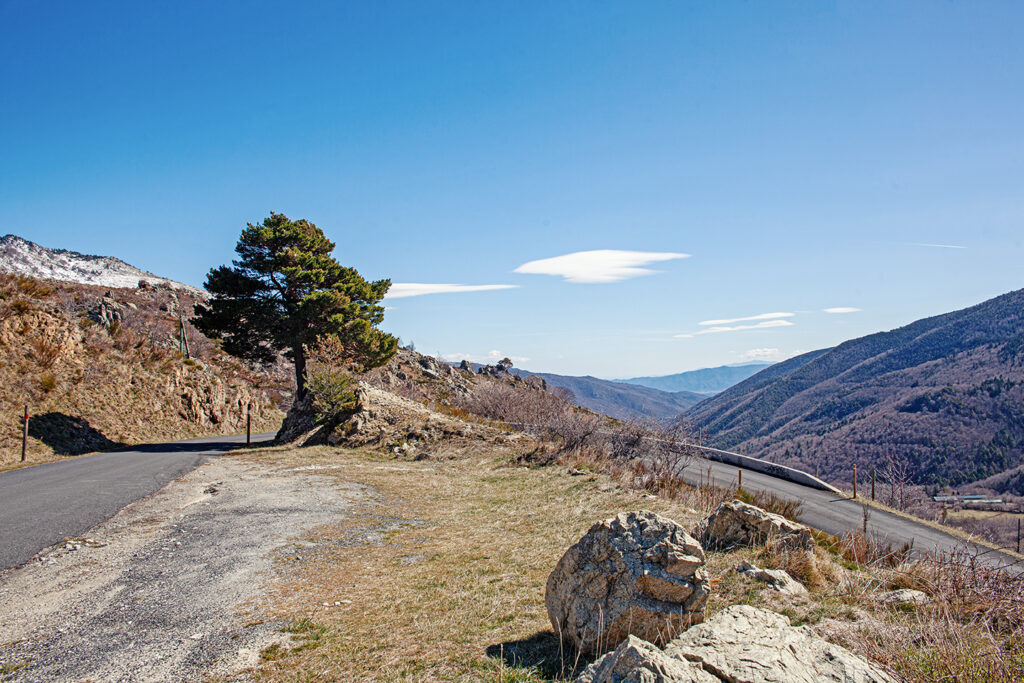
At the foot of the Pyrenees, in the Aude department
The world around Espéraza has been inhabited since prehistoric times, thanks to the fertile lands along the Aude. The village is known for important archaeological discoveries, including dinosaur fossils.
During the Middle Ages, the region played a role in the crusades against the Cathars, with Carcassonne as an important stronghold. In the 19th and early 20th centuries the hat industry brought great prosperity, still visible in some beautiful facades in the village today.
After the decline of this industry, Espéraza found a new identity as a paleontological site. The village gained international fame thanks to the discovery of a 17-meter-long dinosaur female skeleton. She was named Eva and is now the centrepiece of the Musée des Dinosaures.
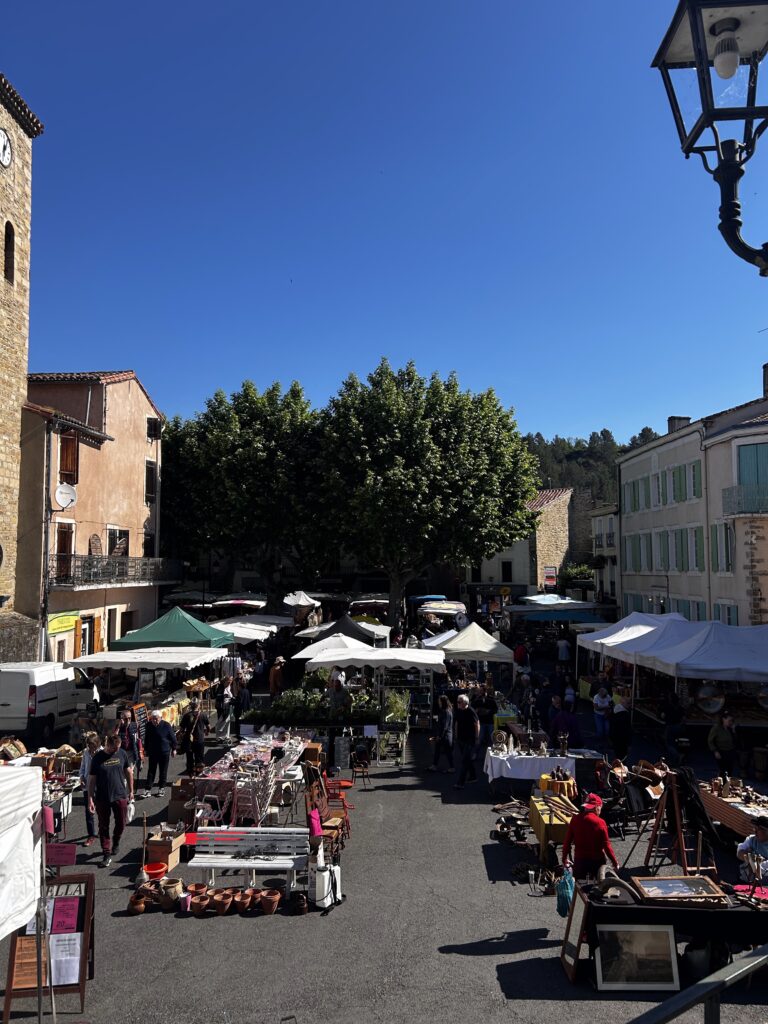
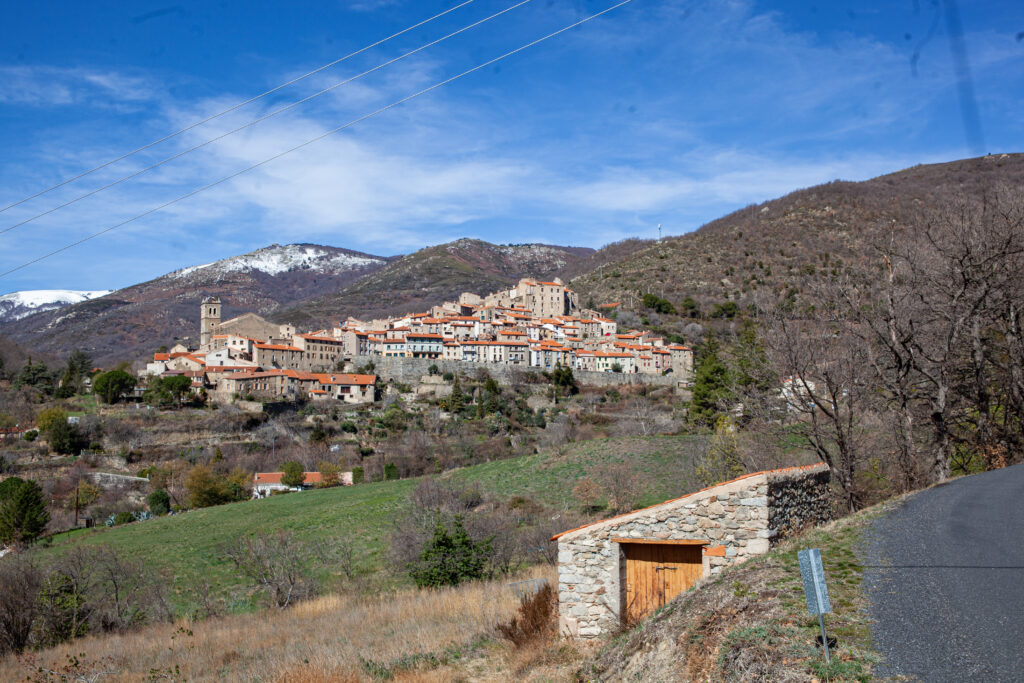
Today, Espéraza is a characterful village with a popular Sunday market, an active associative life, a stable municipal council and good amenities, including a post office, banks and a health center with various healthcare providers.
Espéraza: nature, culture and history.
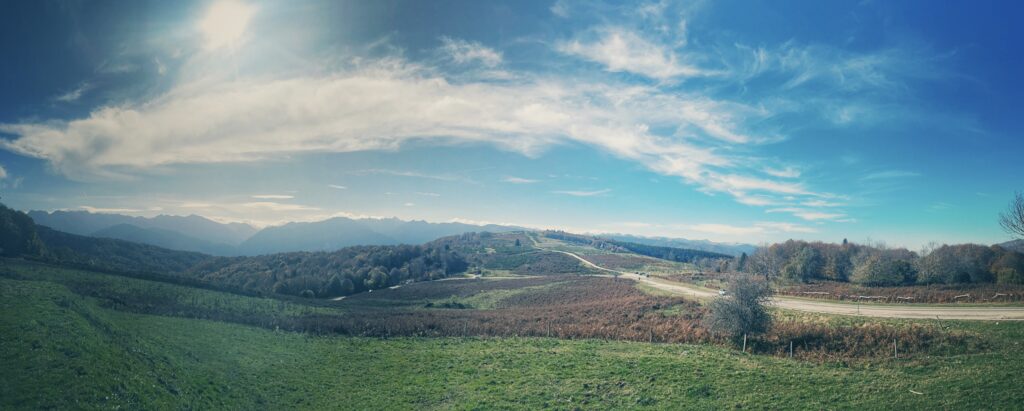
Espéraza has nearly 2,000 inhabitants and is located in a rugged yet friendly hilly landscape at the foot of the Pyrenees, in the department Aude (11) in southern France, about 1080 kilometers from Calais.
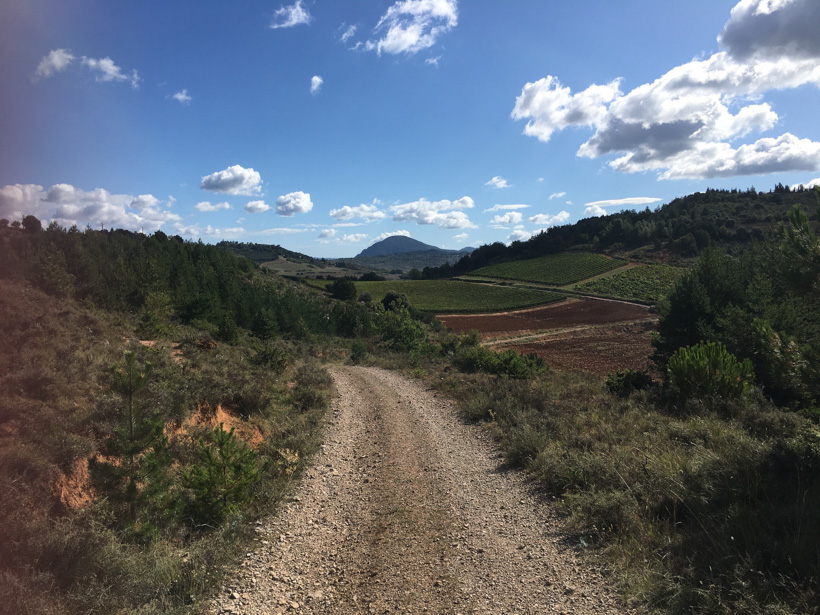
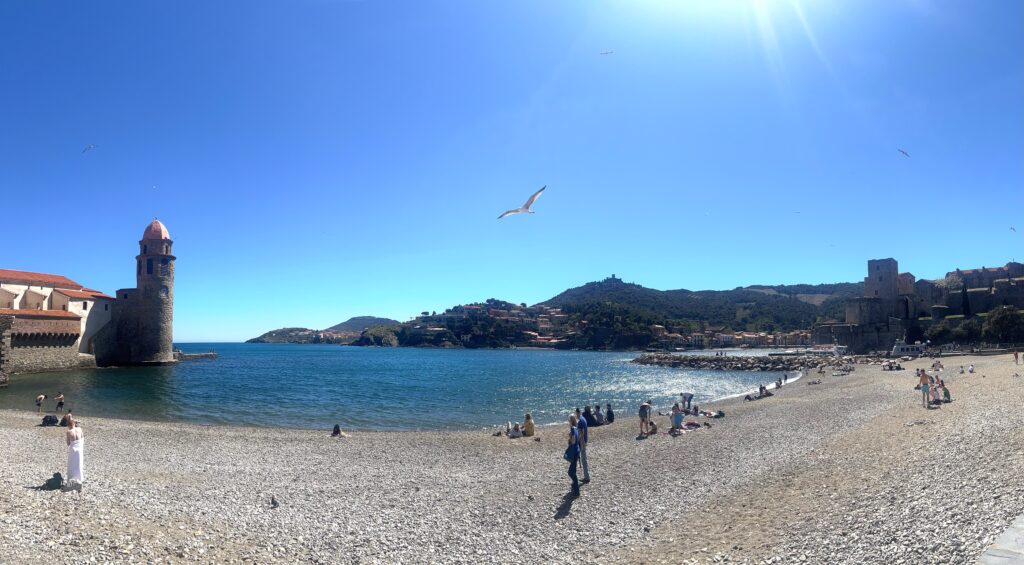
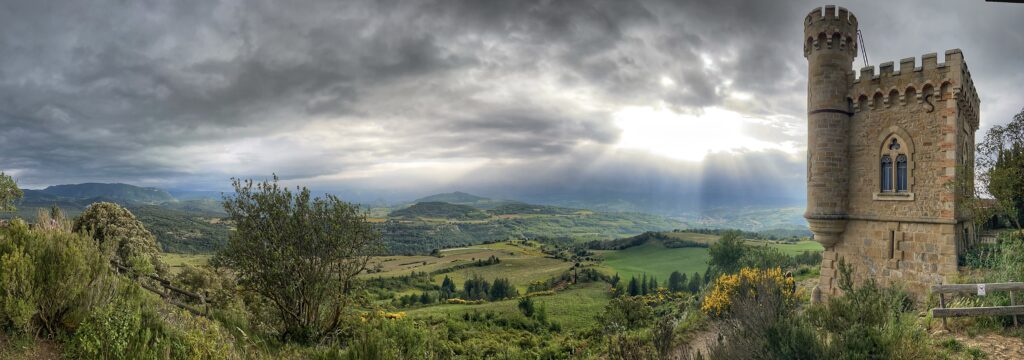
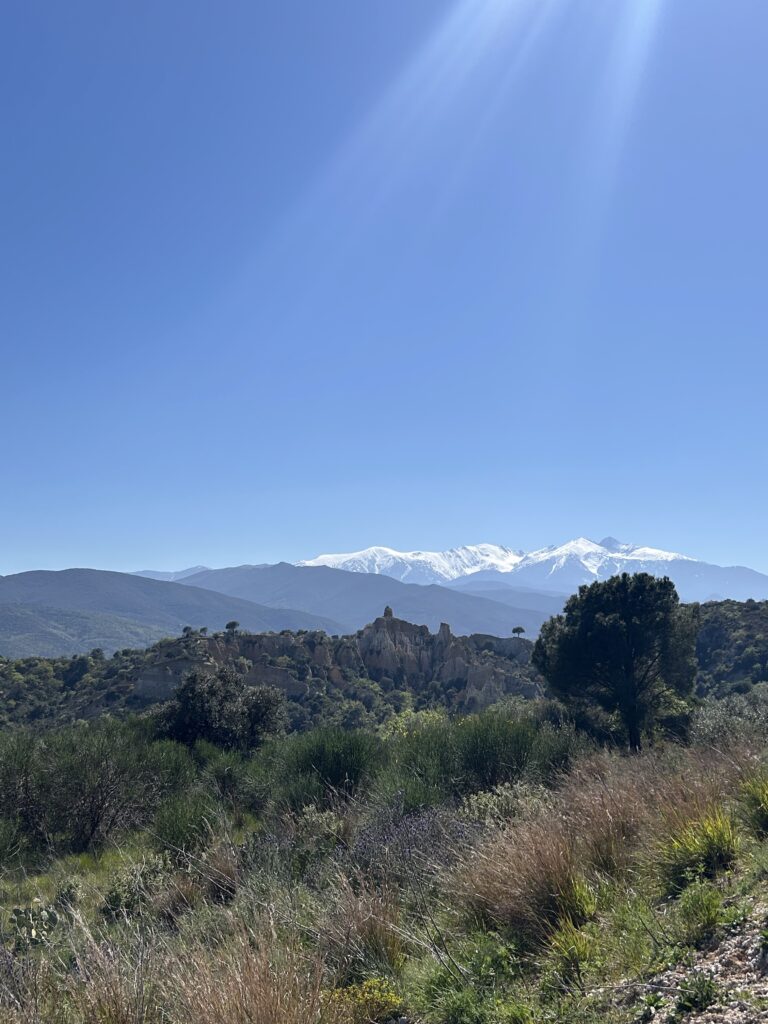
It is surrounded by forests, garrigue (scrubland), limestone hills and vineyards. The real mountains (skiing!) and the Mediterranean coast are not far away. The area is in the Languedoc-Roussillon and part of the region Occitanie of which Toulouse is the capital.
The lively town of Limoux is about 20 kilometers to the north and is famous for its carnival, music festivals and as the birthplace of the world’s oldest sparkling wine, Blanquette de Limoux.
About 45 kilometers north lies Carcassonne with its world-famous medieval cité - a Unesco World Heritage site - that is one of the best preserved citadels in Europe.
Carcassonne has an airport (Ryanair), as does Perpignan, a city just over an hour's drive away in the direction of the Mediterranean coast. Where Catalan influences are clearly visible in the region’s culture, architecture and gastronomy.
To the northwest you'll find Toulouse, nicknamed “La Ville Rose” for its pink brick buildings. This dynamic university city has an important international airport, Toulouse–Blagnac, also the home base for Airbus.
The Mediterranean Sea and the Spanish border are under two hours away. Barcelona can be reached in 4 hours, even if you choose the beautiful route through the Pyrenees